
"once settled"
500 article(s) found

Coffee short story-German coffee
In 1721, the earliest coffee shop in Germany was born in Berlin. As soon as cafes became popular in Germany, they were restricted by the local authorities. Therefore, compared with other countries, the development of German coffee is relatively simple. It was not until the early 19th century that coffee became one of the best money-making tools at the disposal of Germans. Coffee farming was vigorously developed in Latin America and Central America in the mid-19th century.
Brazilian Coffee Bean Features Grades and Stories
Pay close attention to coffee comment (Weixin Official Accounts vdailycom ) and find that a beautiful coffee shop opens its own small shop Brazilian coffee beans Brazilian coffee beans refer to all coffee beans grown in Brazil. In addition to Sanduo Division, Brazilian beans are mostly cheap coffee. Mixed coffee beans that can be used for mass production, mostly for heavy roasting. The main ingredient of instant coffee is Brazilian coffee beans. coffee

Coffee short Story German Coffee Culture History
In 1721, the earliest coffee shop in Germany was born in Berlin. As soon as cafes became popular in Germany, they were restricted by the local authorities. Therefore, compared with other countries, the development of German coffee is relatively simple. It was not until the early 19th century that coffee became one of the best money-making tools at the disposal of Germans. Coffee farming was vigorously developed in Latin America and Central America in the mid-19th century.

Coffee culture story The origin of German coffee
In 1721, Germany's first café was founded in Berlin. Cafes in Germany have just begun to flourish and are subject to many restrictions by local authorities. Therefore, compared with other countries, the development of German coffee is relatively single. It wasn't until the early 19th century that coffee became one of the best money-making tools available to Germans. Coffee growing in Latin and Central America in the mid-19th century

Ethiopian Yega Shefi Kocher Coffee Flavor Description Processing Features Grinding Scale Introduction
Ethiopia Yega Shefi Coffee Introduction Aricha's processing plant waits for the coffee beans to mature, then removes the dried cherry pulp and sheepskin before shipment, and then removes the unripe beans and over-fermented beans. Perhaps it is this strict control that makes Aricha top the G1. This green coffee bean is full of the sweet and fermented aroma of Sydney. The taste is clear

City dwellers are really good at playing the perfect combination of fashion and coffee.
Come to the bookstore to buy handmade works, drink coffee, come to the market to see the play, you city people really know how to play acronym, used to describe bold, innovative actions. Hangzhou city people who know how to play will not let the endangered bookstore Go Die easily! This year, Hangzhou's private independent bookstores abandoned their previous single image and opened several new stores, gradually becoming a new place for leisure; foreign-style cafes will naturally play.

Yega Chuefei Adoto Coffee Flavor description characteristics of Grinding degree introduction to the taste of varieties in producing areas
Yega Xuefei's grading system is not based on the number of eyes, but on the proportion of defective beans in the total number of raw beans. Commonly seen are wash G2 and sun G3 Yega Chuefei, G1 is the highest grade, Yega Xuefei, which has the lowest defect rate and the best quality, can be rated as Grade 1 only after hand selection. There used to be a Cork Manor in the shop.

[Manner Coffee] A coffee shop with only 2 square meters and only sells coffee with a monthly income of 100000
Professional baristas exchange please follow the coffee workshop (Wechat official account cafe_style) if you go to Shanghai to play, a variety of travel strategies will recommend such a shop Manner Coffee. The shop claims to be the smallest coffee shop in Shanghai, with an area of only 2 square meters. the awning in front of the door and a small window 80 centimeters wide are all the shop shows to customers. Don't think it's small.

Brazilian coffee bean brand, introduction to the characteristics of Brazilian coffee beans
Following Cafe (Wechat official account vdailycom) found that Fairview Cafe opened a small shop of its own Brazilian coffee bean brands Brazil: Santos, Bahia, Cerrado, Mogiana the characteristics of Brazilian coffee beans Brazilian coffee beans refer to all coffee beans grown in Brazil, except for more than three companies.

Salute the cafe that gives entrepreneurs a little warmth in this cold winter, the combination of Internet and coffee
Since 2007, all kinds of entrepreneurial cafes with the theme of Internet entrepreneurship have gradually appeared in Beijing, Shanghai, Wuhan and other cities. Unlike ordinary cafes, these start-up cafes gather a lot of resources needed to start a business. maybe next door is a technology cow, and your front seat is angel investment. Cafes provide entrepreneurs and investors with a level where they can communicate easily.

Yemeni Coffee Flavor and Taste introduction Yemeni Fine Coffee in Yemen Coffee producing area
Ethiopia has the world's most diverse coffee planting system and a complex ancient gene pool, coupled with multiple treatments of sun, water and semi-washing, showing a complex and changeable flavor. It can be said that the taste spectrum of coffee producing areas around the world can be drunk here, reflecting Ethiopia's eclectic king flavor. Peter Giu, the promoter of the third wave of boutique coffee

Latisa Manor, a Guatemalan coffee-producing country bordering Mexico to the north and Honduras to the south
Guatemala is located in the Central American Isthmus, bordering Mexico in the north and Honduras in the south. Due to the high mountains and volcanoes in the country, coupled with the careful care of Guatemalan farmers, the quality of Guanguo coffee appears to be quite excellent. The country's earliest record of growing coffee dates back to 1750, about 250 years ago, but at that time the coffee tree was only an ornamental flower in the garden; until 1800, Inou

Introduction to the quality characteristics of Guatemalan Coffee beans description of the Flavor of Mini Tenanguo Highland Coffee production area
Guatemala is located in the Central American Isthmus, bordering Mexico in the north and Honduras in the south. Due to the high mountains and volcanoes in the country, coupled with the careful care of Guatemalan farmers, the quality of Guanguo coffee appears to be quite excellent. The country's earliest record of growing coffee dates back to 1750, about 250 years ago, but at that time

Introduction to the planting environment of Salvadoran coffee with soft and slightly sour flavor
Formerly known as San Salvador, Bahia. An important natural deep-water port on the Atlantic coast of Brazil, the capital of Bahia state. It is located on the east bank of Todos (Santos) Bay. With a population of 3459377 (as of August 1, 2010), it is the eighth largest city in Brazil. The ancient city, one of the oldest cities in Brazil, was founded in 1549, and the first churches were built by Jesuit priests in 1549. Until 1763

Introduction to the Origin and Flavor treatment of Ethiopian Coffee quality characteristics of Grinding scale
Ethiopian Coffee Origin Flavor treatment quality characteristics Grinding scale Origin introduction the traditional treatment method is solarization. In 1972, the first batch of washing processing plants were built in the Yirgacheffe production area. Decades ago, most coffee is now wet-processed in the western and southern regions. In general, wet-processed coffee is thought to be purer, softer and round.

Introduction to the treatment methods of Grinding degree of varieties for describing the Flavor of Coffee Manor in Ethiopia
Small shareholders in Ethiopian coffee farms have been producing all kinds of high-quality coffee. The secret to producing high quality coffee is that coffee growers have developed a coffee culture in a suitable environment through generations of repeated learning about the coffee growing process, which mainly includes farming methods using natural fertilizers, picking the reddest and fully ripe fruits and
Watch out! Apart from tourists, what else can save the once brilliant authentic Xinglong coffee?
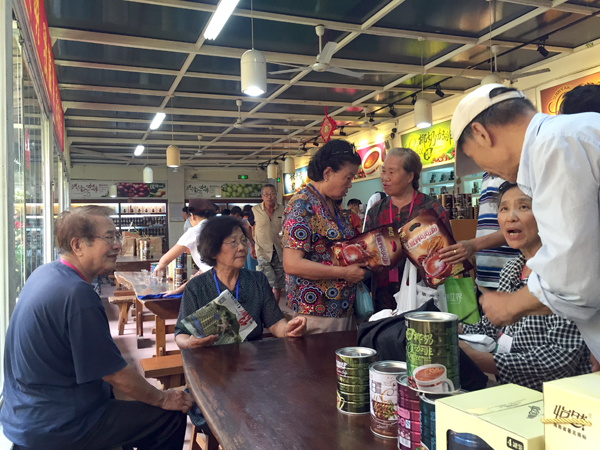
Presumably, there is such an experience when traveling to Xinglong, Hainan: Xinglong overseas Chinese Farm Coffee Factory is located in a botanical garden. We took us here with a tour guide to visit all kinds of tropical plants. The coffee factory exhibition area is very small. Some faded display boards introduce common knowledge such as coffee cultivation and coffee etiquette, which are easy to understand. There are some different kinds of coffee planted on both sides of the road, but it's a pity

Yega Chuefei Coffee Flavor description Taste Variety characteristics Grinding scale Manor introduction
Yejassefi's coffee trees were planted by European monks (a bit like Belgian monks growing wheat to brew beer) and were later transferred to farmers or cooperatives. Yejia Xuefei is actually constructed by surrounding coffee communities or cooperatives, including Edido Idido, Hafusa Harfusa, Hama Hama and Biloya near Fog Valley Misty valley, all of which are washed with water, but there are also
Guji coffee producing area of Guji, Ethiopia: Humbela, Shakiso, Wulaga
In 2010, in Ethiopia's unique ECX trading system, Guji was independently divided into a new production area in the Sidamo region by virtue of its excellent and recognizable flavor, which belongs to the Oromia region in administrative division. The Guji producing area is located in the south of Ethiopia, with towering mountains.

The History of Fine Coffee Culture Coffee Culture in Germany
In 1721, the earliest coffee shop in Germany was born in Berlin. As soon as cafes became popular in Germany, they were restricted by the local authorities. Therefore, compared with other countries, the development of German coffee is relatively simple. It was not until the early 19th century that coffee became one of the best money-making tools at the disposal of Germans. The vigorous development of coffee cultivation in Latin America and Central America in the mid-19th century